

The Alluring Souks of Morocco: A Sensory Delight
Imagine stepping into a world where vibrant colors, enticing aromas, and the sound of lively chatter fill the air. Welcome to Morocco’s souks, where the traditional and modern blend seamlessly.
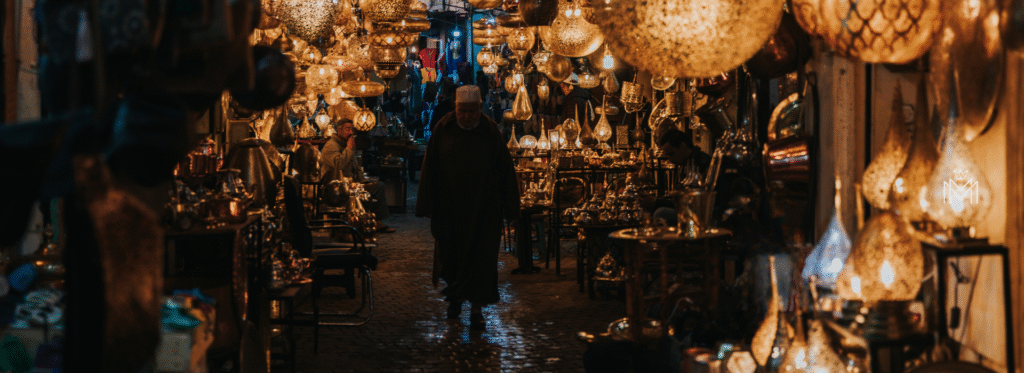
The souks are not just marketplaces; they are a reflection of Moroccan culture and heritage. Here, you can find an array of Moroccan crafts, from intricately woven carpets to beautifully crafted jewelry.
As you navigate through the bustling alleys, the sensory delights of souks in Morocco will captivate you, making for an unforgettable experience.
The Enchanting World of Moroccan Souks
Stepping into a Moroccan souk is like entering a different world, where ancient traditions meet modern commerce. The air is alive with the sounds of haggling merchants, the scent of exotic spices, and the vibrant colors of intricately crafted goods.
What Are Souks and Their Cultural Significance
Souks are traditional Moroccan markets that have been the backbone of commerce and social life in Morocco for centuries. They are not just places to buy and sell goods; they are cultural hubs where locals gather to socialize, share news, and conduct business.
Daily Life and Commerce in Moroccan Cities
In Moroccan cities, souks are an integral part of daily life. They provide a platform for artisans, traders, and merchants to showcase their goods, from handmade crafts to fresh produce. The souks are a reflection of the country’s rich cultural diversity, with each region offering its unique products and specialties.
The Ancient Tradition of Market Life in Morocco
The history of souks in Morocco dates back to the ancient Berber trading posts, where goods were exchanged along the trans-Saharan trade routes. Over time, these markets evolved into the vibrant souks we see today, blending traditional practices with modern commerce.
From Berber Trading Posts to Modern Marketplaces
The evolution of souks has been shaped by Morocco’s strategic location at the crossroads of Africa, Europe, and the Middle East. Today, souks continue to thrive, offering a unique shopping experience that combines tradition with modernity.
As we explore the enchanting world of Moroccan souks, we gain a deeper understanding of their cultural significance and the important role they play in daily life and commerce.
The Souks in Morocco: Designed to Evoke the Beauty and Charm of These Markets
Souks in Morocco are designed to captivate the senses, blending traditional elements with cultural richness. These marketplaces are a crucial part of Moroccan culture and identity.
Architectural Elements of Traditional Souks
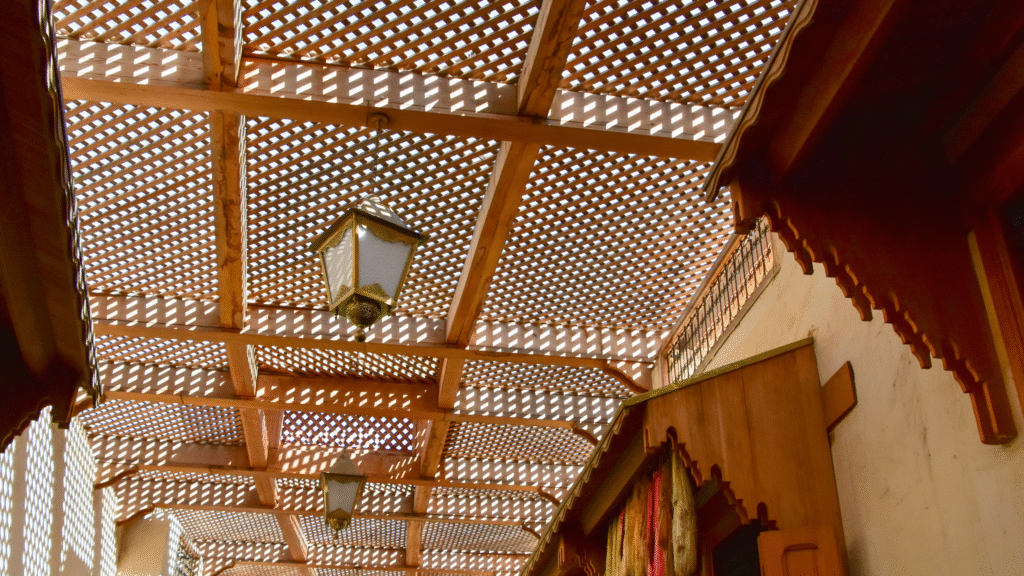
Traditional souks in Morocco are characterized by their unique architectural elements, which include covered walkways, arches, and courtyards. These features not only provide protection from the elements but also create a visually appealing and cool environment for shoppers.
Covered Walkways, Arches, and Courtyards
The use of covered walkways, arches, and courtyards in souks serves multiple purposes. It shields visitors from the harsh sun and provides a serene atmosphere amidst the bustling market activity. Some key features include:
- Intricately designed arches that add to the aesthetic appeal
- Covered walkways that ensure a comfortable shopping experience
- Courtyards that serve as tranquil oases within the bustling souk
The Labyrinthine Layout: Purpose and Experience
The labyrinthine layout of Moroccan souks is not accidental; it is designed to enhance the shopping experience and encourage exploration. This complex layout allows visitors to discover unique Moroccan crafts and interact with local vendors.
How Design Enhances the Shopping Experience
The design of the souks significantly contributes to the overall shopping experience. By incorporating narrow alleys and unexpected courtyards, the souks create an immersive experience that engages visitors. Some benefits include:
- A sense of adventure as one navigates through the winding paths
- Opportunities to discover hidden gems and unique local products
- An intimate and personal shopping experience due to the smaller, more contained layout
This thoughtful design makes the souks in Morocco not just places to shop, but destinations that offer a rich cultural experience.
Major Souk Destinations Across Morocco
The souks of Morocco are renowned for their rich diversity, with major destinations like Marrakech, Fez, Essaouira, and Tangier showcasing the country’s vibrant market culture. Each city offers a unique blend of traditional commerce, artisanal crafts, and cultural experiences.
Marrakech’s Iconic Jemaa el-Fnaa and Surrounding Markets
Marrakech is home to one of Morocco’s most famous souks, Jemaa el-Fnaa, a bustling marketplace that combines food, entertainment, and shopping. The surrounding markets offer a wide range of goods, from spices and textiles to handmade crafts.
The Heart of Moroccan Tourism and Trade
Jemaa el-Fnaa is not just a market; it’s an experience that encapsulates the essence of Moroccan culture. Visitors can enjoy traditional cuisine, watch local performers, and shop for unique souvenirs.
Fez’s Medieval Medina Souks
Fez is known for its well-preserved medieval medina, where the souks offer a glimpse into the past. The narrow alleys are lined with shops selling traditional crafts, leather goods, and local delicacies.
The World’s Oldest Urban Marketplace
Fez’s souks are among the oldest continuously operating markets in the world, providing a unique shopping experience that blends history with vibrant market culture.
Essaouira, Tangier, and Regional Market Variations
Essaouira and Tangier offer distinct souk experiences, influenced by their coastal locations. Essaouira is known for its artistic community and seafood markets, while Tangier’s souks reflect its historical position as a crossroads of international trade.
Coastal Influences on Market Culture
The coastal cities bring a fresh perspective to traditional Moroccan markets, with an emphasis on seafood, local crafts, and a blend of cultural influences.
Exploring these major souk destinations provides a comprehensive understanding of Morocco’s diverse market culture and the significant role that souks play in the country’s economy and social fabric.
A Symphony for the Senses: The Souk Experience
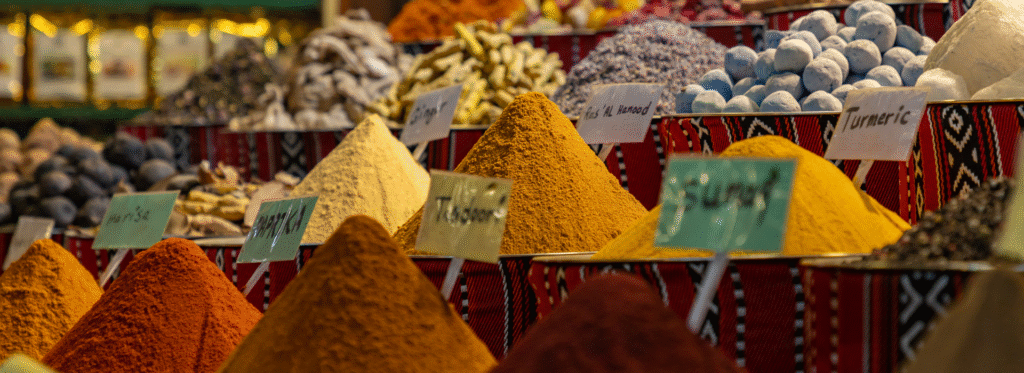
In the heart of Morocco’s bustling souks, a symphony of sights, sounds, and scents awaits. The experience is a multi-sensory journey that captivates visitors from the moment they step into these vibrant marketplaces.
Visual Splendor: Colors and Displays
The souks are a feast for the eyes, with vibrant colors and intricate displays that showcase Moroccan crafts in all their glory. Merchants take great pride in presenting their goods in visually appealing ways.
The Art of Merchandise Presentation
From pyramids of spices to neatly arranged rows of textiles, the presentation of goods is an art form in itself. The way items are displayed adds to the overall sensory experience.
The Aromatic Journey: Spices and Scents
One of the most distinctive aspects of the souk experience is the aromatic journey through the markets. The air is filled with the scent of exotic spices, freshly baked bread, and other enticing aromas.
Following Your Nose Through the Markets
As you navigate the souks, your nose will lead you to various stalls and shops, each offering a unique olfactory experience. The smell of spices like cumin, coriander, and cinnamon wafts through the air, mingling with the scent of traditional Morocan dishes.
The Soundscape of Haggling and Handicrafts
The sounds of the souk are just as captivating as the sights and smells. The lively atmosphere is filled with the sounds of merchants calling out to passersby, the clinking of metalwork, and the hum of haggling.
The Music of Commerce and Creation
The souks are not just places of commerce; they are also hubs of creativity. The sounds of artisans at work, from the tapping of metalworkers to the weaving of textiles, create a unique soundtrack to the souk experience.
Visiting the souks in Morocco is an unforgettable experience that engages all the senses. It’s a place where tradition meets vibrant culture, creating a truly immersive experience for visitors.
Treasures of the Souks: Moroccan Crafts and Artisanal Goods
As you navigate the labyrinthine souks of Morocco, you’ll discover a wealth of traditional crafts that have been perfected over centuries. The souks are a treasure trove of Moroccan crafts, offering a diverse array of artisanal goods that reflect the country’s rich cultural heritage.
Textiles: Carpets, Rugs, and Fabrics
Moroccan textiles are renowned for their beauty and quality. From intricately woven carpets to vibrant fabrics, these textiles are a staple of traditional Moroccan markets.
Regional Weaving Styles and Symbolism
Different regions in Morocco have their unique weaving styles and symbolism. For instance, the Berber tribes are known for their distinctive patterns and colors, which often tell stories of their history and culture.
Leather Goods: From Poufs to Bags
Morocco is famous for its leather goods, ranging from luxurious poufs to stylish bags. The art of leather-making is a tradition passed down through generations, with cities like Fez being hubs for this craft.
The Famous Tanneries of Fez
The tanneries of Fez are a marvel of traditional craftsmanship, where leather is tanned and dyed using age-old techniques. Visitors can witness the process firsthand and purchase high-quality leather goods.
Metalwork and Pottery: Centuries of Tradition
Metalwork and pottery are other significant crafts in Moroccan souks. Artisans skillfully craft items that are both functional and decorative, reflecting the country’s rich artisanal heritage.
Identifying Quality Craftsmanship
When shopping for Moroccan crafts, it’s essential to identify quality craftsmanship. Look for pieces that show attention to detail, unique designs, and the use of traditional techniques.
Exploring the souks and discovering these artisanal goods is an experience in itself, offering a glimpse into Morocco’s rich cultural tapestry and the artisans who keep these traditions alive.
The Art of Shopping in Morocco: Haggling and Etiquette
In Morocco, shopping is an immersive experience that requires an understanding of the local customs and a readiness to engage in the ritual of haggling. Visitors to the souks can expect an adventure that combines culture, tradition, and negotiation.
The Ritual of Negotiation: How to Haggle Respectfully
Haggling is an art form in Moroccan souks. To haggle respectfully, one must understand the starting points and have reasonable expectations.
Starting Points and Reasonable Expectations
When haggling, it’s essential to know that the initial price quoted by vendors is often higher than they expect to receive. A reasonable starting point for negotiation is to offer about 30% less than the initial price. For example, if a carpet is priced at 1000 MAD, a reasonable counteroffer would be 700 MAD.
- Research the market value of the item beforehand.
- Start with a lower offer to leave room for negotiation.
- Be prepared to walk away if the price isn’t right.
Cultural Dos and Don’ts in Moroccan Markets
Understanding cultural norms is crucial when shopping in Moroccan souks. Building a relationship with vendors can lead to a more enjoyable and successful shopping experience.
Building Relationships with Vendors
Smiling, greeting vendors in their language, and showing genuine interest in their goods can go a long way. As one vendor noted, “A customer who respects our traditions and is willing to engage in a friendly negotiation is more likely to get a fair deal.”
“The key to successful haggling is not just about the price; it’s about building a connection with the seller.”
Payment Methods and Currency Considerations
Knowing when to use cash versus credit cards is essential for a smooth shopping experience.
When to Use Cash vs. Cards
While many larger establishments accept credit cards, cash is the preferred method of payment in souks. It’s advisable to have some local currency, Moroccan Dirhams (MAD), for smaller transactions.
By understanding the art of haggling, respecting local customs, and being prepared with the right payment methods, visitors can fully enjoy the vibrant souks of Morocco.
From Spice Markets to Artisan Quarters: Types of Traditional Moroccan Markets
From the aromatic spice markets to the skilled artisan quarters, Morocco’s traditional markets are a delight to explore. These vibrant souks are not just places to shop but are cultural hubs that showcase the country’s rich heritage and community spirit.
Specialized Souks and Their Unique Offerings
Moroccan souks are known for their specialization. For instance, some souks are dedicated entirely to spices, offering a rainbow of colors and a medley of scents. Others specialize in textiles, leather goods, or metalwork. This specialization allows visitors to find specific goods in the right places, making the shopping experience both efficient and enjoyable.
Finding Specific Goods in the Right Places
When looking for particular items, it’s helpful to know which souks to visit. For example:
- Spice Souks: Known for their vibrant colors and aromatic smells, these markets are perfect for finding unique spices and blends.
- Textile Souks: These markets offer a wide range of fabrics, from traditional Berber rugs to modern clothing materials.
- Leather Souks: Here, you can find high-quality leather goods, including bags, shoes, and poufs.
The Organization of Trades Within the Medina
The medina, or old city, is where you’ll typically find the souks. The trades within these areas are often organized by guilds, with specific streets or areas dedicated to particular crafts. This organization is a continuation of centuries-old traditions.
The Guild System and Apprenticeship Traditions
The guild system in Morocco has been a cornerstone of craftsmanship for centuries. Young artisans learn their trade through apprenticeships, honing their skills under the guidance of experienced masters. This system not only preserves traditional crafts but also ensures their continuation.
The Living History of Moroccan Souks
Moroccan souks have been the heartbeat of commerce and culture for centuries, evolving from ancient caravanserais to modern marketplaces. These vibrant markets have played a crucial role in shaping the country’s identity and continue to captivate visitors from around the world.
From Caravanserais to Modern Markets
The history of Moroccan souks is deeply intertwined with the country’s strategic position on the ancient trade routes. The Silk Road’s influence on Moroccan commerce was significant, bringing exotic goods and cultural practices from distant lands.
The Silk Road’s Influence on Moroccan Commerce
As a major stop on the Silk Road, Morocco was exposed to a diverse array of goods, including spices, textiles, and precious metals. This exposure had a lasting impact on the country’s commerce and cultural practices.
How Souks Have Evolved While Preserving Tradition
Despite the challenges of modernization, Moroccan souks have managed to adapt while preserving their traditional essence.
“The souks have been able to maintain their unique character by embracing change while staying true to their heritage.”
This resilience is a testament to the enduring spirit of Moroccan commerce and culture.
Adaptation and Resilience Through Centuries
Throughout the centuries, Moroccan souks have demonstrated remarkable adaptability, responding to changing economic and cultural conditions. From the medieval period to the present day, these markets have continued to thrive, offering a unique shopping experience that blends tradition with modernity.
Beyond Shopping: Souks as Social and Cultural Hubs
Souks in Morocco are dynamic spaces that combine shopping with social interaction and cultural celebration. These traditional Moroccan markets are not just places to purchase goods, but are integral to the community’s social and cultural life.
The Community Role of Markets in Moroccan Life
Moroccan souks serve as vibrant community hubs where locals gather, socialize, and conduct daily activities. The souk is a place where tradition meets community, fostering a sense of belonging among residents.
Where Locals Meet, Eat, and Celebrate
In these bustling markets, one can find a variety of food stalls offering traditional Moroccan cuisine. Locals and visitors alike can enjoy a meal together, strengthening social bonds. As one local proverb goes,
“The souk is the heart of the city, where people come to nourish both body and soul.”
Festivals and Special Events in Souk Spaces
Moroccan souks are also venues for various festivals and special events throughout the year. These events celebrate cultural heritage and bring the community together.
Seasonal Celebrations and Religious Observances
During religious observances and seasonal celebrations, souks are adorned with decorations and host special activities. For instance, during Ramadan, souks come alive with evening markets offering traditional foods and crafts.
In conclusion, Moroccan souks are multifaceted spaces that play a crucial role in the social and cultural life of the community. They are not just marketplaces, but vibrant hubs of activity that bring people together.
Navigating the Maze: Practical Tips for American Visitors
For those venturing into Morocco’s bustling markets, a few insider tips can make all the difference. The souks, with their labyrinthine passages and vibrant stalls, can be both exhilarating and overwhelming. Understanding how to navigate these markets is key to a successful and enjoyable shopping experience.
Finding Your Way Through the Labyrinth
Navigating the souks requires a combination of preparation and flexibility. One of the most effective ways to get around is by using a map or a guide app on your smartphone.
Maps, Apps, and Local Guides
Downloading a reliable map or guide app can significantly enhance your souk experience. Many apps offer detailed maps of the medina, including the location of various souks and stalls. Additionally, consider hiring a local guide who can provide insights into the history and culture of the area.
Tips for using maps and apps:
- Download maps for offline use to avoid data charges.
- Look for apps that offer user reviews and ratings for stalls and guides.
- Keep your device charged and consider carrying a portable power bank.
Best Times to Visit and Seasonal Considerations
The best time to visit the souks depends on several factors, including weather, crowds, and special events. Generally, the morning is the best time to visit, as the markets are less crowded and the temperature is more comfortable.
Weather, Crowds, and Special Events
Morocco’s climate varies significantly from season to season. Visiting during the shoulder season (April-May or September-October) can offer a more pleasant experience, with mild weather and fewer tourists. Be aware of local festivals and events, which can attract large crowds but also offer a unique cultural experience.
Seasonal tips:
- Plan your visit during the cooler months to avoid heat exhaustion.
- Be prepared for larger crowds during peak tourist season.
- Research local events and festivals that may interest you.
Bringing Treasures Home: Customs and Shipping
When shopping in Moroccan souks, it’s essential to consider how you will transport your purchases back home. Understanding customs regulations and shipping options can save you time and stress.
What You Can Legally Import to the United States
Familiarize yourself with U.S. customs regulations regarding the import of goods from Morocco. Certain items, such as antiques and cultural artifacts, may require special permits or be prohibited.
Customs tips:
- Keep receipts and documentation for all purchases.
- Check with the vendor about shipping options and costs.
- Consider using a reputable shipping service that specializes in international deliveries.
The Modern Souk Experience: Tradition Meets Contemporary Commerce
In the heart of Morocco’s bustling cities, the souks are evolving, merging ancient customs with modern commercial practices. This transformation is largely driven by the influx of tourists, who bring with them new expectations and demands.
How Tourism Has Shaped Today’s Souks
The impact of tourism on Morocco’s souks has been profound. On one hand, it has brought economic opportunities and global exposure to local artisans. On the other, it has raised concerns about cultural authenticity and the commercialization of traditional practices.
Authenticity in the Age of Instagram
In today’s digital age, the concept of authenticity is more complex than ever. Souks are not just places to shop; they are also backdrops for Instagram-worthy moments. This has led to a delicate balance between preserving traditional practices and catering to the desires of social media-savvy tourists.
Sustainable Shopping and Ethical Considerations
As consumers become more conscious of their environmental and social footprint, the souks of Morocco are adapting. Many vendors are now embracing sustainable practices, from sourcing materials locally to promoting fair trade.
Supporting Fair Trade and Traditional Artisans
One of the positive outcomes of increased tourism is the growing support for fair trade and traditional artisans. By choosing to purchase directly from local craftsmen, visitors can help ensure that their money is going directly to the community.
The Future of Moroccan Marketplaces
Looking ahead, the future of Moroccan souks lies in their ability to adapt while preserving their heritage. This includes embracing technology to promote local businesses and protect traditional crafts.
Preserving Heritage in a Digital World
In a world where digital platforms dominate commerce, Moroccan souks are finding innovative ways to preserve their cultural heritage. From digital marketplaces for local artisans to virtual tours of historic souks, technology is playing a crucial role in the evolution of these traditional marketplaces.
Conclusion: The Timeless Allure of Morocco’s Vibrant Marketplaces
Morocco’s souks are a treasure trove of sensory delights, where the vibrant colors, enticing aromas, and melodic sounds come together to create an unforgettable experience. As we’ve explored, these traditional markets are not just places to shop, but cultural hubs that showcase the country’s rich heritage and craftsmanship.
From the bustling Jemaa el-Fnaa in Marrakech to the medieval medina souks of Fez, each region offers a unique shopping experience in Morocco, with its own distinct character and charm. Visitors can discover an array of Moroccan crafts, including intricately woven textiles, beautifully crafted leather goods, and exquisite metalwork.
The art of haggling is an integral part of shopping in these traditional Moroccan markets, where negotiation is a ritual that requires respect, patience, and a willingness to engage with the local vendors. As you explore the souks, you’ll be immersed in the sights, sounds, and scents of Morocco’s vibrant marketplaces, creating memories that will last a lifetime.
Whether you’re a seasoned traveler or just discovering the magic of Morocco, the souks are a must-visit destination that promises to captivate and inspire. So, come and experience the timeless allure of Morocco’s souks, where tradition meets beauty, and the art of craftsmanship is alive and thriving.
FAQ
What is a souk in Morocco?
A souk is a traditional Moroccan market or marketplace where locals and visitors can find a wide range of goods, including handicrafts, textiles, spices, and more.
What are some popular items to buy in Moroccan souks?
Some popular items to buy in Moroccan souks include traditional Moroccan crafts, such as carpets, rugs, leather goods, metalwork, and pottery, as well as local spices, textiles, and jewelry.
How do I haggle in a Moroccan souk?
Haggling is a common practice in Moroccan souks. To haggle effectively, start by researching the market value of the item you’re interested in, and be prepared to negotiate. Begin with a lower offer, and be willing to compromise. Be respectful and friendly, and don’t be afraid to walk away if the price isn’t right.
What are some tips for navigating Moroccan souks?
To navigate Moroccan souks, it’s a good idea to get a map or guide, wear comfortable shoes, and be prepared for crowds and narrow alleys. Be aware of your surroundings, keep an eye on your belongings, and don’t be afraid to ask for help or directions.
Can I use credit cards in Moroccan souks?
While some larger souks and modern shops may accept credit cards, it’s generally a good idea to have cash on hand when shopping in traditional Moroccan souks. Many vendors may not accept credit cards, and ATMs may not be readily available.
What are some cultural dos and don’ts when shopping in Moroccan souks?
When shopping in Moroccan souks, be respectful of local customs and traditions. Dress modestly, remove your shoes when entering a mosque or private home, and avoid taking pictures of people or sensitive areas. Be polite and courteous to vendors, and avoid aggressive haggling.
Are there any specific souks or markets that are known for certain products?
Yes, different souks and markets in Morocco specialize in specific products. For example, the souks in Fez are known for their leather goods, while those in Marrakech are famous for their vibrant textiles and spices.
How have Moroccan souks evolved over time?
Moroccan souks have evolved significantly over time, influenced by historical trade routes, cultural exchange, and modern tourism. While traditional souks still maintain their unique character, many have adapted to accommodate contemporary commerce and tourism.